
Short answerPut a QR code where people are standing still with a hand free, at a height between waist and eye level, on a flat matt surface, in good light, and sized for the distance they’ll scan from. Avoid places where people are moving, can’t reach their phone, or have no signal.
Four questions to ask about any spot
- Are people still? Scanning takes a few seconds. Tables, queues, waiting rooms, lifts and bus stops work. Corridors and roadsides don’t.
- Can they hold a phone up to it? The code should be reachable without bending, stretching or stepping into the way of others.
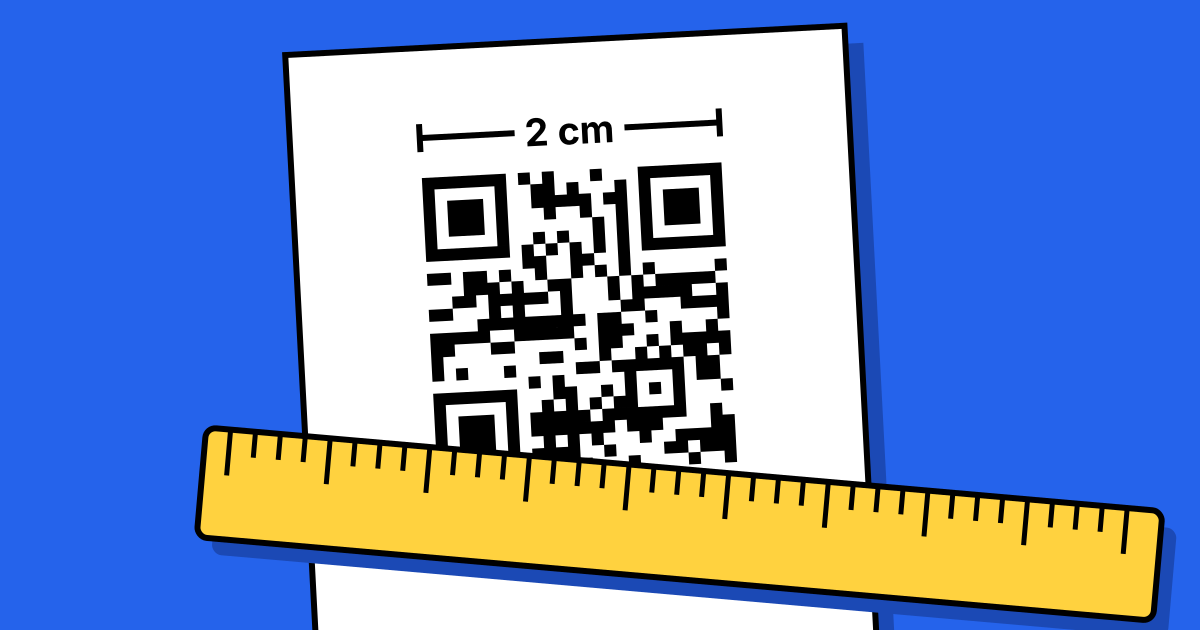
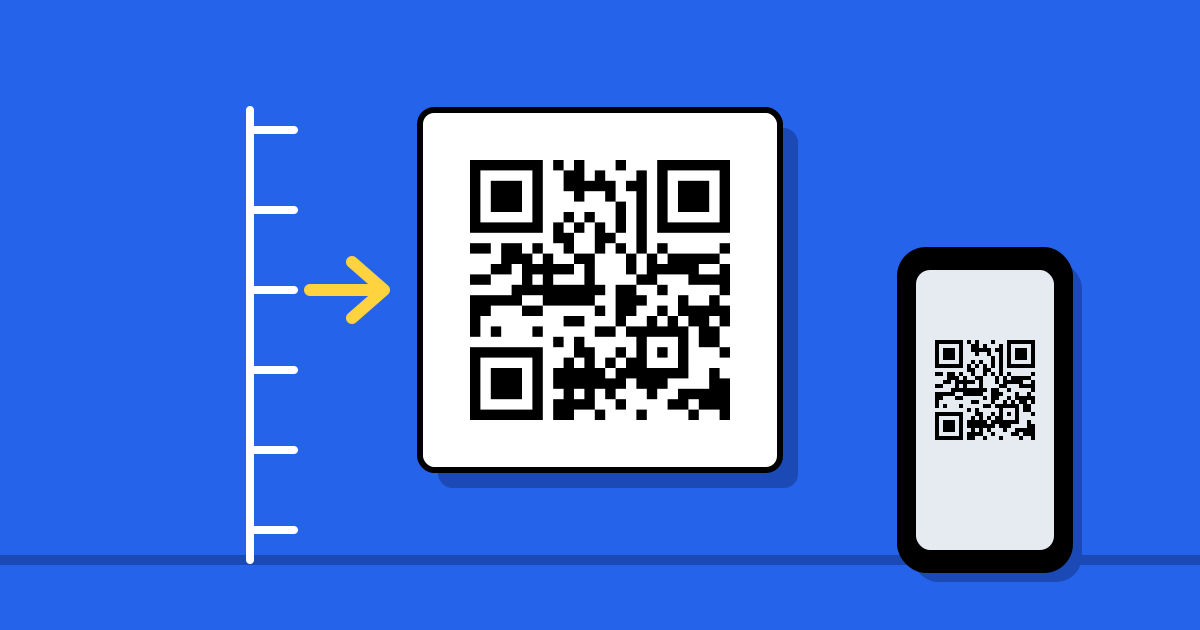
- How far away will they be? That sets the size. A common rule is a code about one tenth as wide as the scanning distance: 2 cm for something in the hand, 20 cm for a poster read from 2 metres.
- Is there a signal? Most codes open a web page. In a basement or a lift, the scan works and the page doesn’t load.
Height and angle
- On a wall: between about 1 and 1.5 metres from the floor suits most adults and is still reachable from a wheelchair.
- On a table: a tent card that stands up scans more easily than a sticker lying flat, because the phone doesn’t cast a shadow on it.
- Face it towards people. A code seen at a steep angle is harder to read. Flat on the ceiling or at ankle height is as good as hidden.
Surfaces
- Flat is best. On bottles and cans, keep the code small enough that it doesn’t wrap around the curve, or it can’t be seen in one view.
- Matt beats glossy. Lamination, glass and screens reflect light across the pattern.
- Behind glass: put the code against the inside of the window, facing out, and check it from outside at night as well as by day.
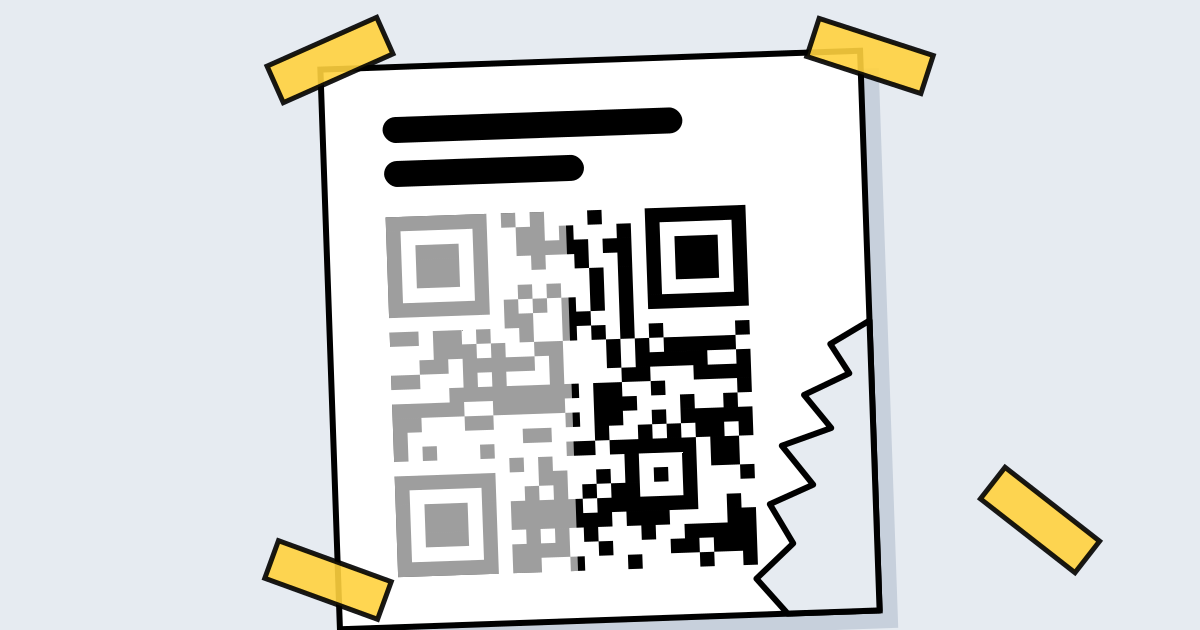
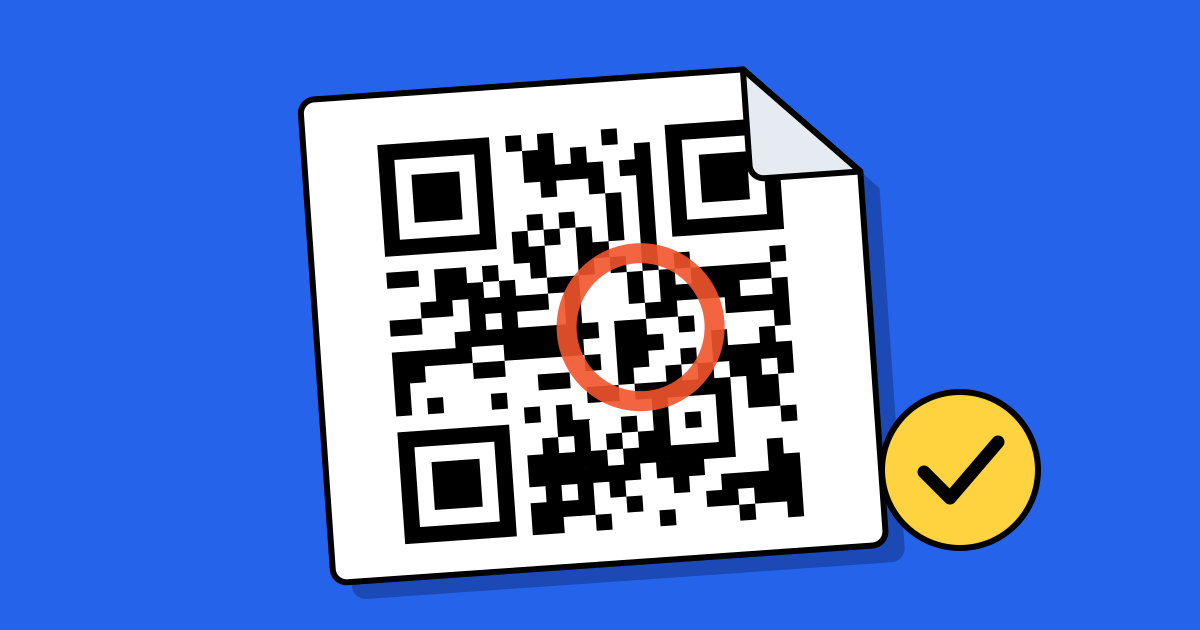
- Avoid folds and seams. A crease through the pattern, a staple, or the gap between two doors can break it.
- Fabric stretches. On clothing and bags, print larger and on a part that lies flat.
Codes survive some damage thanks to error correction, which is one more reason to choose a higher level for anything that lives outdoors.
Places that work well
| Place | Why it works | Good for |
|---|---|---|
| Restaurant table | People sit for a while with a phone to hand | Menu, Wi-Fi, reviews |
| Counter or till | A short wait, at arm’s length | Reviews, loyalty, feedback |
| Packaging | In the hand, at home, with time | Instructions, reorder, support |
| Waiting room or queue | Nothing else to do | Forms, sign-ups, information |
| Shop window | Works when you’re closed | Opening hours, online shop |
| Business card or flyer | Kept and scanned later | Contact details, booking |
Places where codes are wasted
- Motorway billboards and the backs of moving vehicles. Nobody can scan safely, and drivers shouldn’t try. A parked van is fine.
- Underground platforms, lifts and basements with no signal, unless the code works offline, such as Wi-Fi or a contact card.
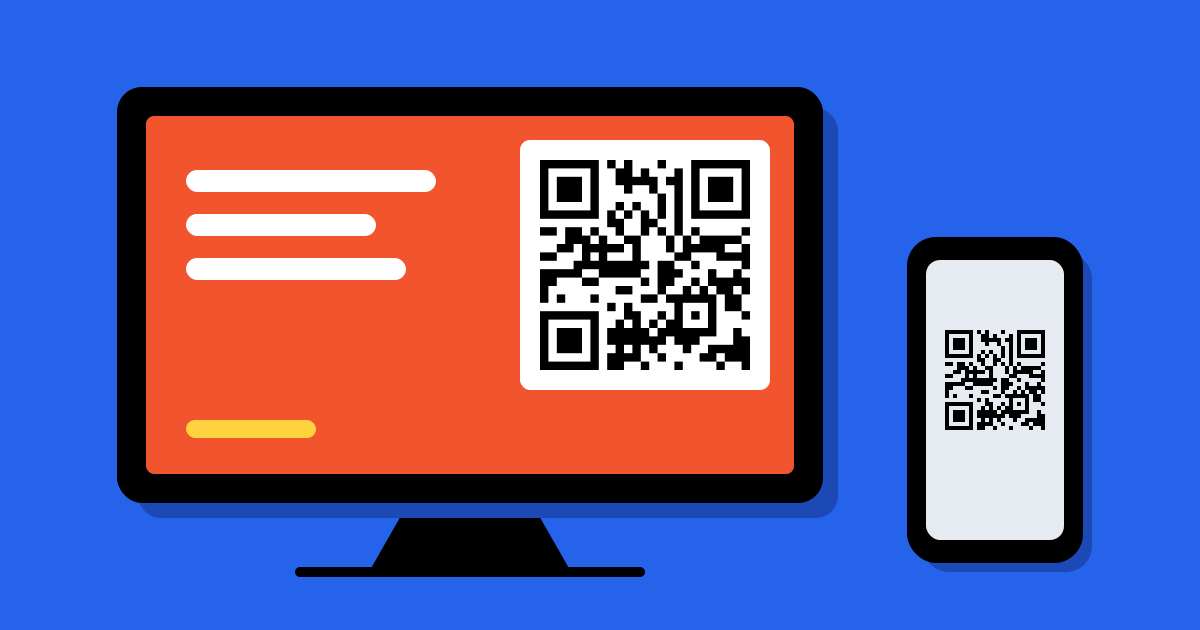
- Websites and emails read on a phone. People can’t scan the screen they’re holding. Use a normal link there.
- TV adverts shown for two seconds. Leave the code on screen long enough to pick up a phone and aim.
- High up or low down. Above a doorway, on the floor, or at the bottom of a pull-up banner.
Light and weather
Phone cameras need light. A code in a dark bar or a dim corridor is hard to read; a small lamp or a lighter spot fixes it. Outdoors, sun fades ink and rain lifts stickers, so use weatherproof print and check codes that have been out for a season. A faded code is one of the common causes in why QR codes stop working.
Before you fix it in place
- Stand where a customer would stand and scan it with two different phones.
- Try it at the time of day it will be used, in that light.
- Check the page loads on mobile data at that spot.
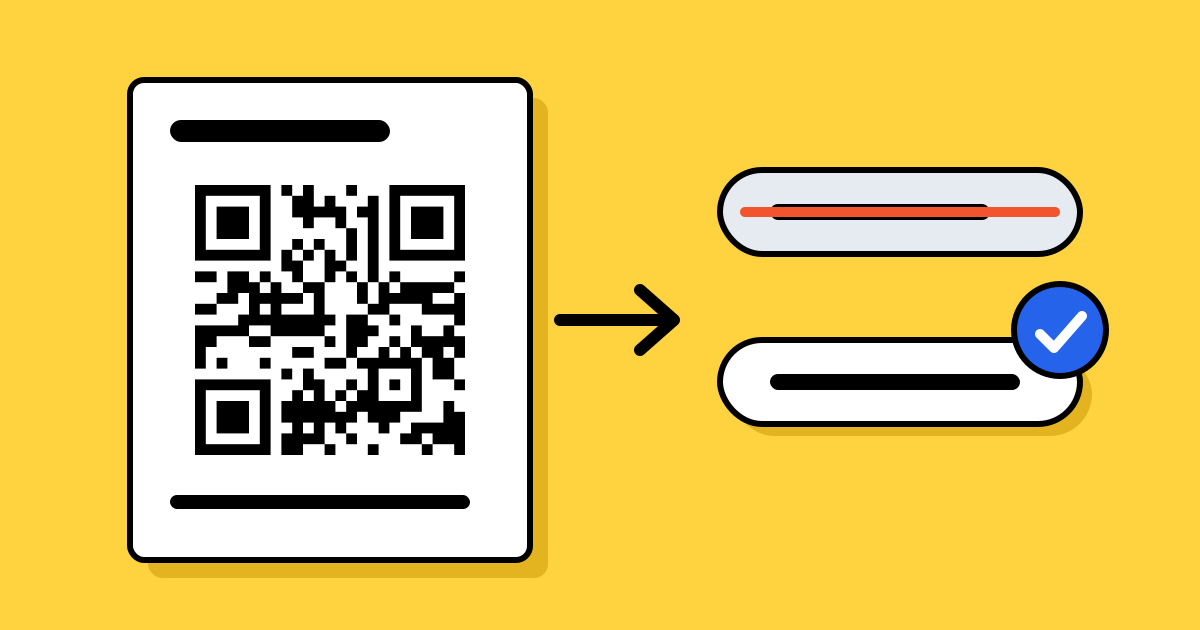
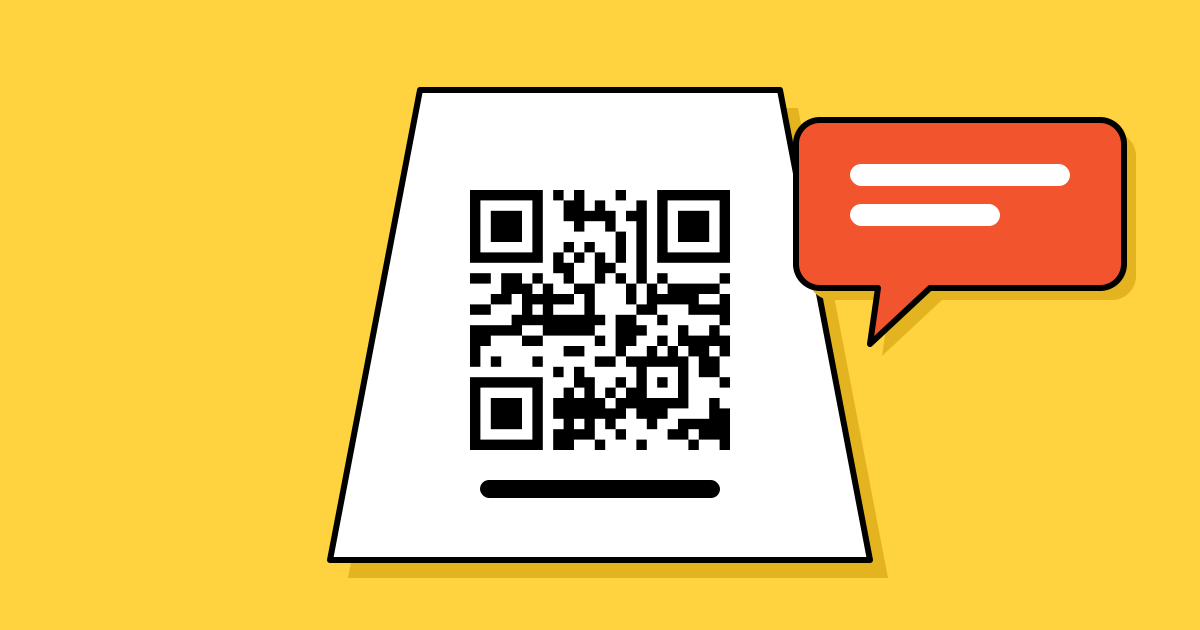
- Add a line of text that says what the code does. See what to write next to your code.
FAQ
Questions people ask
Can’t find yours? A person answers every email within 2 working days.
Email usHow high should a QR code be on a wall?
Roughly 1 to 1.5 metres from the floor. That is comfortable for most adults and reachable from a wheelchair.
How big should it be?
About one tenth of the scanning distance: 2 cm wide in the hand, 20 cm wide from 2 metres. The printing guide has a table.
Can I put a QR code on a window?
Yes. Fix it inside the glass facing out, and check for reflections from outside in daylight and at night.
Do QR codes work on screens?
Yes, on a TV, a slide or a monitor, if the code is large and stays up long enough. They don’t help on a phone screen the person is already holding.